World Congress on
Advances in Applied Science and Engineering
THEME: "Redefining Boundaries: Advances in Applied Science for a Resilient Future"
 25-26 Mar 2026
  London, UK
 THEME: "Redefining Boundaries: Advances in Applied Science for a Resilient Future"
25-26 Mar 2026
London, UK 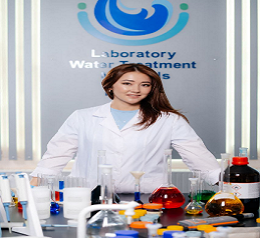
M. Kh. Dulaty Taraz University, Kazakhstan
Title: Development and Evaluation of Sustainable Permeable Reactive Barriers Based on Natural Clays and Activated Carbon for Wastewater Treatment
Kalmakhanova M.S. is associate professor at M.Kh. Dulaty Taraz University. Since her PhD studies in Chemistry, concluded in 2019 in collaboration with Bragança Polytechnic Institute, Portugal, she has continued involvement with environmental science research activities, specifically focused on the synthesis and characterization of adsorbents and catalysts to solve water environmental problems. She was awarded several prizes and recognitions, as best university teacher in 2022, supervised several projects, performed internships in Portugal, Spain and USA. Presented her work at international conferences in Spain, Greece, Japan, Check Republic, USA and Austria, and authored over 50 publications in scientific journals and conference proceedings.
Permeable reactive barriers (PRBs) are an
effective in situ technology for the treatment of contaminated groundwater and
wastewater, especially in areas influenced by industrial and municipal
effluents. This study is focused on the development and experimental evaluation
of sustainable PRBs based on natural clays and activated carbon derived from
peanut shells for the removal of pharmaceutical contaminants from aqueous
solutions.
Natural clays obtained from different
deposits were characterized using physicochemical and structural techniques,
including BET surface area analysis, FTIR spectroscopy, XRD, pHpzc
determination, and elemental composition analysis. Activated carbon was
synthesized from agricultural waste via chemical activation and thoroughly characterized
to assess its surface properties and adsorption potential. Batch adsorption
experiments were carried out to investigate the influence of pH, contact time,
initial pollutant concentration, and adsorbent dosage on removal efficiency.
Adsorption kinetics were analyzed using pseudo-first-order,
pseudo-second-order, and Elovich models, while equilibrium data were
interpreted using Langmuir, Freundlich, and Temkin isotherms.
To simulate real operating conditions of
PRBs, fixed-bed column experiments were conducted under continuous flow.
Breakthrough curves were obtained to evaluate the dynamic performance and
service life of the reactive media. The results demonstrated that PRB systems
based on natural clays and activated carbon exhibit high removal efficiency due
to synergistic adsorption mechanisms and favorable surface interactions,
particularly under optimized pH conditions.
The study confirms that low-cost, locally
available natural materials can be successfully applied in PRB design for
sustainable wastewater treatment. The proposed approach offers a practical and
environmentally friendly solution for reducing pharmaceutical pollution in
water bodies located in wastewater accumulation zones.
