8th World Congress on
Cancer Research and Oncology
THEME: "Advancing Innovation and Collaboration in Cancer Research for a Healthier Tomorrow"
 23-24 Nov 2026
  Holiday Inn Express Bangkok, Thailand
 THEME: "Advancing Innovation and Collaboration in Cancer Research for a Healthier Tomorrow"
23-24 Nov 2026
Holiday Inn Express Bangkok, Thailand 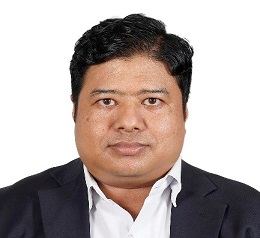
National Academy of Health Sciences (NAMS), Nepal
Title: Advancing Health Equity: Operationalizing the WHO Global Initiative for Childhood Cancer Through a Shared Care Network
Dr. Sani Sipai is a pediatric hematologist-oncologist from Kathmandu, Nepal, currently serving as the Oncology Unit In-Charge at Kanti Children’s Hospital. He completed his fellowship in Pediatric Hematology-Oncology and Bone Marrow Transplantation (BMT) at Sir Ganga Ram Hospital (GRIPMER), New Delhi, in 2023.
His clinical expertise includes the comprehensive management of pediatric malignancies and benign hematological disorders, with a focus on multidisciplinary care for children and young adolescents. He is actively involved in strengthening pediatric oncology services and infrastructure in Nepal.
His professional interests include cost-effective supportive care, adapting international treatment guidelines to resource-limited settings, and improving treatment outcomes. He is also committed to international collaborative research, medical education, and evidence-based oncology practices to help bridge gaps in pediatric cancer care across developing countries.
Background
Approximately 400,000 children develop cancer annually, with nearly 90% living in low- and middle-income countries (LMICs) where survival rates drop below 30%. To combat this disparity, Nepal joined the World Health Organization (WHO) Global Initiative for Childhood Cancer (GICC) to achieve at least 60% survival rate by 2030. Achieving this target requires overcoming fragmented healthcare systems that cause delays in diagnosis and high treatment abandonment rates. Nepal implemented a decentralized Shared Care Network Model to integrate specialized pediatric oncology hubs with regional community healthcare facilities aiming to bridge systemic gaps, expand service delivery, and support the global target.
Methods
A multi-center operational framework formed to integrate primary pediatric oncology centers with regional Shared Care Centers across participating regional facilities. Specialized hubs handled complex diagnostics, risk stratification, and intensive therapeutic interventions. Regional shared care nodes managed localized supportive care, routine laboratory monitoring, and low-risk chemotherapy delivery. Network infrastructure was sustained through harmonized, region-specific clinical protocols to ensure safety across all sites, shared training and telemedicine consult for rapid referral and real-time toxicity review and structured family support networks to mitigate financial and logistical barriers.
Results
The deployment of the Shared Care Network significantly improved the continuity and safety of pediatric oncological care. Treatment abandonment rates decreased by an average of 24% due to the proximity of supportive care. Patient travel times to access routine follow-up care dropped significantly lessening family financial and social burdens. Furthermore, local clinician confidence in identifying and managing early signs of toxicity rose by 40% following network-wide standardization.
Conclusion
The Shared Care Network provides a highly effective framework for pediatric cancer care in resource-constrained environments. By shifting low-risk care closer to patients' homes while maintaining centralized oversight, this model directly supports the WHO GICC objectives by reducing treatment abandonment and safely expanding access to life-saving childhood cancer therapies.
Keywords: LMIC; Shared Care Network Model; Pediatric Oncology; Nepal; WHO GICC; GPACCM.
