Scholars World Congress on
Nanomedicine and Advanced Drug Delivery
THEME: "Frontiers in Nanomedicine and Advanced Drug Delivery Systems"
 10-11 Jul 2023
 Online
THEME: "Frontiers in Nanomedicine and Advanced Drug Delivery Systems"
10-11 Jul 2023
Online 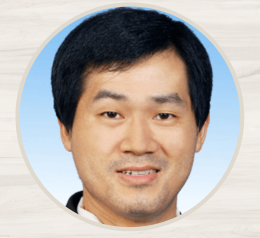
Southern Medical University, China
Title: Therapeutic Neural Stem Cell-derived Exosomes Loaded Adhesive Hydrogel Promotes Cerebral Angiogenesis and Neural Regeneration in Ischemic Stroke Mice
Lukui Chen had completed his PhD at the age of 35 years from Central South University, China. He is the director and professor of Neuroscience Center in Integrated Hospital of Traditional Chinese Medicine, Southern Medical University, China, since 2019. He has over 40 publications that have been cited over 1000 times. He has been serving as Guest Editor of Frontiers Journals.
Objective: To investigate if the NSC-exosomes loaded adhesive hydrogel (HAD-exo) are released controllably after intracranial injection to continuously promote the angiogenesis and nerve regeneration in infarct area.
Methods: The MCAO model of c57 mice was established, and then PBS, exosomes, hydrogel and HAD-exo were injected stereotactic, respectively. The mNSS score, gait walking and rotarod system were used to evaluate the neurological improvement of the MCAO model. Cerebral angiogenesis of MCAO model was observed dynamically by laser speckle imaging system. MRI was used to observe the improvement of cerebral infarct volume following angiogenesis. Immunofluorescence was used to verify the expression of vascular related proteins. The molecular mechanism of therapeutic exosomes promoting the cerebral angiogenesis was detected by WB.
Results: Scanning electron microscopy showed the porous structure of the hydrogel, and exosomes were attached to the surface of the hydrogel structure. The behavioral results showed that HAD-exo group could significantly improve the neurological function after stroke, especially the motor function. MRI showed that the HAD-exo group significantly reduced the infarct volume after stroke. TUNEL results showed that HAD-exo group significantly improved cell apoptosis. The results of immunofluorescence staining showed that the HAD-exo group could significantly promote the cerebral angiogenesis and nerve regeneration after stroke. The therapeutic exosomes could promote cerebral angiogenesis via activating PI3K/AKT mediated HIF-1 pathway.
Conclusion: Therapeutic NSC-exosomes loaded hydrogels significantly inhibited cell apoptosis, and promote cerebral angiogenesis and nerve regeneration in ischemic infarct area. The sustained release of exosomes from the adhesive hydrogel could be maintained for 14-21 days. Therapeutic exosomes promote intracranial vascular regeneration and nerve regeneration by activating the PI3K/AKT pathway. The combination of adhesive hydrogel and therapeutic NSC-exosomes provides an alternative treatment for ischemic stroke.
Keywords: Neural stem cell; Exosomes; Hydrogel; BuyangHuanwu Decoction; Ischemic stroke; Angiogenesis; Neural regeneration
