2nd World Congress on
Future of Aging & Rejuvenation Science
THEME: "Redefining Aging: Science, Innovation, and Longevity"
 20-21 Jul 2026
  Vienna, Austria
 THEME: "Redefining Aging: Science, Innovation, and Longevity"
20-21 Jul 2026
Vienna, Austria 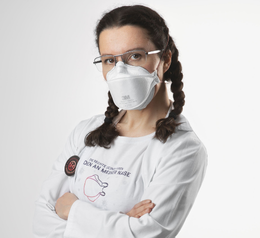
LKH Hochsteiermark, Austria
Title: COVID-19 is “Airborne AIDS”: provocative oversimplification, emerging science, or something in between?
Spela Salamon is a Board-Certified Nuclear Medicine Specialist, biomedical scientist with a Ph.D. in complex disease genetics and an international Long COVID expert. Her interdisciplinary research bridges molecular pathways to clinical diagnostics, with a focus on aging, longevity, and degenerative processes. Her latest publications, the award-winning "Vascular Pathogenesis in Acute and Long COVID: Current Insights and Therapeutic Outlook," and the landmark "COVID-19 is “Airborne AIDS”: provocative oversimplification, emerging science, or something in between?" have sparked intense global debates, reframing the postacute COVID-19 pathology as a model of accelerated vascular, neurological, metabolic and immune aging. Her work aims to decipher the pathophysiology of chronic conditions to improve patient outcomes and advance diagnostic and therapeutic strategies.
Immune dysfunction and systemic effects in HIV and SARS-CoV-2 infections are distinct, but share relevant similarities and downstream consequences. We compare and contrast observations of the immunological impacts of COVID-19 and HIV infections. By examining shared and distinct mechanisms, such as immune dysfunction, vulnerability to opportunistic infections, accelerated aging and neurocognitive disorders, we highlight critical parallels and their implications. We review the extensive scientific evidence showing that SARS-CoV-2 infections result in immune cell depletion, dysfunction, and exhaustion, with impacts on several immune system cell types. Higher rates of individual susceptibility to infections lead to population-wide increases in diverse infectious diseases, including those that are signatures of immunodeficiency. Finally, we characterize societal responses to both pandemics, providing insights into public health strategies and lessons for improving current and future research, treatment, preparedness and mitigation efforts.
