6th Asia-Pacific
Mental Health and Well-being Congress
THEME: "Future Directions: Pioneering Mental Health and Well-being Initiatives"
 23-24 Nov 2026
  Holiday Inn Express Bangkok, Thailand
 THEME: "Future Directions: Pioneering Mental Health and Well-being Initiatives"
23-24 Nov 2026
Holiday Inn Express Bangkok, Thailand 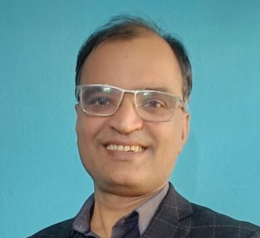
Transcultural Psychosocial Organization (TPO) Nepal, Nepal
Title: Feasibility and acceptability of self-regulation, economic and combined interventions to prevent depression and anxiety among poverty-affected adolescents in Nepal: a pilot c-RCT
Nagendra Luitel, PhD is a global mental health researcher from Nepal with more than 20 years of experience in mental health research and implementation. He holds a PhD from the University of Amsterdam, the Netherlands, focused on integrating mental health services into Nepal’s primary and community healthcare systems. He currently serves as Research Advisor at Transcultural Psychosocial Organization (TPO) Nepal, a leading national non-governmental organization.
Introduction: Depression and anxiety are common mental health problems among adolescents worldwide, impairing development, healthy lifestyles, and educational attainment, while contributing substantially to disability and suicide risk. Poverty further increases vulnerability through resource deprivation, family stress, and social isolation. This study examined the feasibility and acceptability of school-based interventions designed to prevent depression and anxiety among adolescents affected by poverty in Nepal.
Methods: This pilot randomized controlled trial was conducted in eight public schools in Budhanilkantha Municipality, Kathmandu, involving 229 adolescents aged 13–15 years. Schools were randomly assigned to one of four groups: self-regulation intervention, economic intervention, combined intervention, or control. Data were collected at baseline, post-intervention, and 12- and 18-month follow-ups. Qualitative interviews were conducted post-intervention with adolescents (18), caregivers (18), and facilitators (9). Feasibility outcomes included recruitment, retention, fidelity, adherence, and acceptability. The primary outcome was the cumulative incidence of depression or anxiety, assessed using validated PHQ-A and GAD-7 cut-offs.
Results: Very few adolescents exceeded the PHQ-A or GAD-7 cut-offs during follow-up (?2% across groups). Attendance was high, with over 95% of participants attending at least 70% of sessions in the self-regulation (90.2%), economic (98.3%), and combined (96.6%) groups. Absences were mainly related to academic demands, illness, or family circumstances. Participants reported improvements in communication, stress management, and social interaction skills. Interactive activities, including martial arts, games, role-plays, and creative exercises, were highly valued. Learning materials such as notebooks, worksheets, booklets, and posters reinforced engagement. Challenges included scheduling conflicts and the longer duration of the combined intervention.
Conclusion: The results demonstrated that school-based mental health promotion interventions were feasible and acceptable in Nepalese schools. High engagement and positive feedback suggest potential for preventing adolescent depression and anxiety in poverty-affected settings. Streamlining intervention content and aligning delivery with school schedules may enhance feasibility and scalability for a future fully powered randomized controlled trial.
