6th Asia-Pacific
Mental Health and Well-being Congress
THEME: "Future Directions: Pioneering Mental Health and Well-being Initiatives"
 23-24 Nov 2026
  Holiday Inn Express Bangkok, Thailand
 THEME: "Future Directions: Pioneering Mental Health and Well-being Initiatives"
23-24 Nov 2026
Holiday Inn Express Bangkok, Thailand 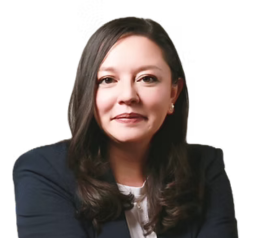
Holistic Psychotherapy Centre, Thailand
Title: Beyond Talk Therapy: A Conceptual Framework for Tactile Cognitive Restructuring and Structured Play in Adult Psychotherapy
Selinta Clarke is a counselling psychology practitioner based in Singapore, with professional experience spanning clinical practice, social work, higher education, and executive coaching. She holds a Postgraduate Diploma in Counselling Psychology from CAE Singapore and is trained in Cognitive Behavioural Therapy, LEGO®-Based Therapy, mindfulness-based therapeutic approaches, and Executive Coaching through the Berkeley Executive Coaching Institute.
Objectives:
Adult psychotherapy often privileges verbal processing. For clients who intellectualise, avoid emotionally charged material, or struggle to articulate experience, talk-based work alone may limit access to meaning and slow therapeutic progress. Although play-based interventions are established in child practice, tactile and construction-based methods remain less developed in adult psychotherapy. This presentation proposes a conceptual framework integrating principles from Cognitive Behavioral Play Therapy (CBPT) and structured LEGO®-Based Therapy (LBT) for adult individual and group work.
Methods:
A focused thematic synthesis of literature on constructivism, cognitive restructuring, narrative externalisation, embodied learning, and social scaffolding informed the framework. CBPT principles are used to translate thoughts, schemas, and stressors into physical models; structured LBT principles organise collaborative building through defined tasks and roles.
Results:
The synthesis identifies three proposed clinical functions. First, tangible models externalise abstract distress, creating psychological distance and allowing clients to observe, modify, and reframe patterns. Second, task structure may reduce interpersonal ambiguity and support engagement, collaboration, and perspective-taking in group contexts. Third, a shared visual focus may broaden clinical observation beyond verbal content, supporting formulation through metaphor, spatial relationships, sequencing, and symbolic choice. These mechanisms are presented as theoretically grounded practice hypotheses rather than established treatment effects.
Conclusion:
Tactile construction may offer a structured adjunct to talk therapy, particularly when verbal processing becomes repetitive, defended, or inaccessible. The framework provides a practical basis for clinical adaptation and future empirical evaluation of feasibility, acceptability, therapeutic process, and clinician experience in adult populations.
